
Trace the product scope
Ask which components the sourcing statement covers. Separate fabrication location from raw-material origin and identify subcontracted or supplied components.
A useful supply story explains the product, facility, inputs and logistics with evidence. Evaluate those details before using domestic-origin language or assuming local availability.
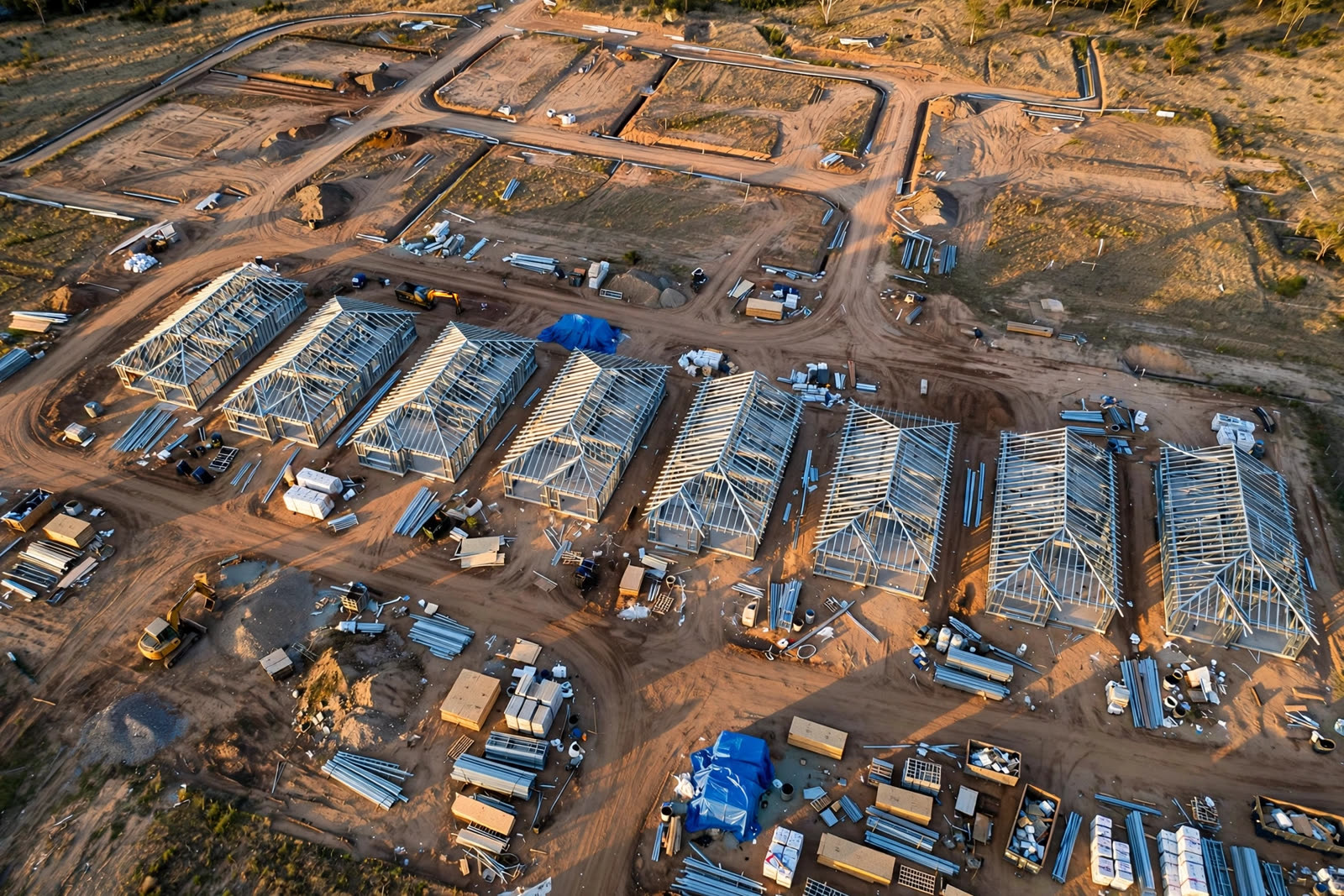
Ask which components the sourcing statement covers. Separate fabrication location from raw-material origin and identify subcontracted or supplied components.
Confirm the specific operating facility, current capabilities and the evidence owner. A planned facility or research lead is not proof of manufacturing capacity.
Review serviceability, freight responsibility, unloading requirements and timing with authorized representatives. A domestic narrative does not establish territory or delivery availability.
Gather these essentials before your first conversation so the discussion stays focused on your project.
That statement is classified as needing substantiation. Product scope, facilities, component origins and permitted wording must be verified and approved.
Use the manufacturing-footprint verification record to track open questions. This draft does not assert operating locations or capacity.
Asset rights and the implication of the proposed content require review. No manufacturing image or video is embedded in this proposal.
Bring us one real project. Send the plans and a few project details, and we'll give you a straight answer on whether steel makes sense for the build.
Booking a call starts a human review of your project. It does not confirm project acceptance, pricing or a commercial commitment.
No plan upload, payment or contract step happens on this page. Service territory, responsibilities and response timing are confirmed directly.